Is Kenya's economy stable as official narratives suggest? The numbers tell a story that politics refuses to acknowledge: beneath the veneer of macroeconomic calm lies a debt bubble inflated by creative accounting, an artificially stabilized shilling, and fiscal maneuvers designed to delay rather than resolve our structural crisis.
Key Highlights
- Public debt at KSh 11.5 trillion (May 2025), up 10.3% from KSh 10.4 trillion in 2024.
- Debt-to-GDP at 67.4%, far above the IMF’s 50% threshold for developing economies.
- Debt service-to-revenue at 69.6% in FY 2023/24, hitting 101.4% in July 2024.
- Domestic debt rose 16.6% to KSh 6.2 trillion; external debt USD 38.7B, with two-thirds in USD.
- SGR cost $3.8B, up to $6M/km above global norms, contributing to KSh 145B pending bills in road projects.
- Kenya Airways bailouts exceed KSh 55B, with liabilities of KSh 302B by June 2023.
- KRA identified KSh 259B in unpaid taxes, with HNWIs rising from 170 to 461, reflecting major compliance gaps.
- For every 100 shillings Kenya collects in revenue, nearly 59 shillings vanish before a single cent reaches a classroom, a hospital ward, or a rural road.
The Crisis of Commitment: Why Kenya Cannot Borrow Its Way to Prosperity
In fiscal year 2023/24, the debt service-to-revenue ratio reached 69.6%, pointing higher than the IMF's 30% threshold. Even more alarming, this ratio hit an all-time high of 101.4% in July—meaning that for a brief period, Kenya spent more on debt servicing than it collected in revenue. When the Kenya Revenue Authority collects revenue, nearly 5.9 out of every 10 shillings goes to debt repayment.
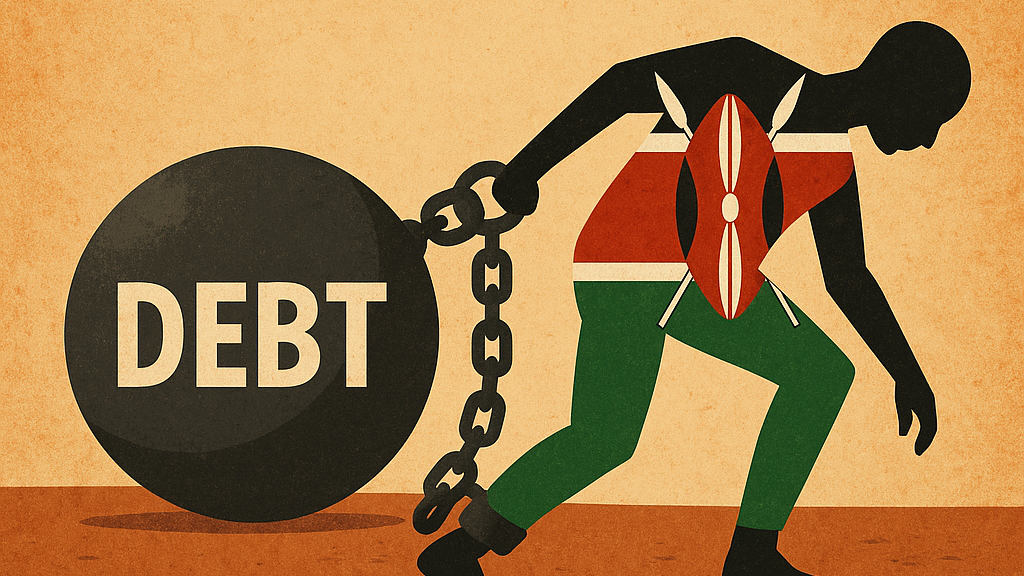
This is Kenya's sovereign debt mirage: the illusion that each new loan, each IMF facility, each Eurobond issuance brings us closer to prosperity, when in reality, we are running faster on a treadmill that never stops moving.
The Composition Crisis
The architecture of Kenya's debt has fundamentally shifted. Domestic debt now stands at USD 34.46 billion (47.1% of total debt), while external debt reached $38.70 billion (52.9% of total debt). Between May 2024 and May 2025, domestic debt surged by 16.6% to KSh 6.2 trillion from KSh 5.3 trillion, crowding out private sector borrowers and keeping interest rates stubbornly high, choking the entrepreneurship and investment that could generate the growth needed to escape the debt trap.
Meanwhile, two-thirds of external debt is denominated in US dollars, with 21.4% in euros. While the shilling's appreciation in 2024 provided temporary relief, this forex exposure leaves Kenya perpetually vulnerable to currency shocks beyond our control. China holds 16.4% of Kenya's external debt, making it the biggest Non-Paris Club creditor.
The IMF Mirage: False Security in Orthodox Solutions
Kenya issued a new $1.5 billion Eurobond in February 2025, partially using proceeds to buy back older bonds. The IMF's latest arrangement with Kenya offers liquidity but demands a familiar price: structural adjustments centered on tax-base broadening and fiscal consolidation. The flaw in this orthodox approach is fundamental. IMF-led austerity consistently prioritizes debt repayment over human development and productive investment, creating a vicious cycle where slow growth makes the debt burden progressively harder to bear. What Kenya urgently needs—but is not being offered—is a genuine Debt-for-Growth Swap mechanism that recognizes a simple truth: you cannot tax your way out of a growth crisis, and you cannot borrow your way to prosperity.
The current trajectory is unsustainable. We are not experiencing temporary fiscal stress; we are witnessing the slow-motion collapse of fiscal sovereignty itself.
Anatomy of the Debt Trap: Understanding the Structural Leakages
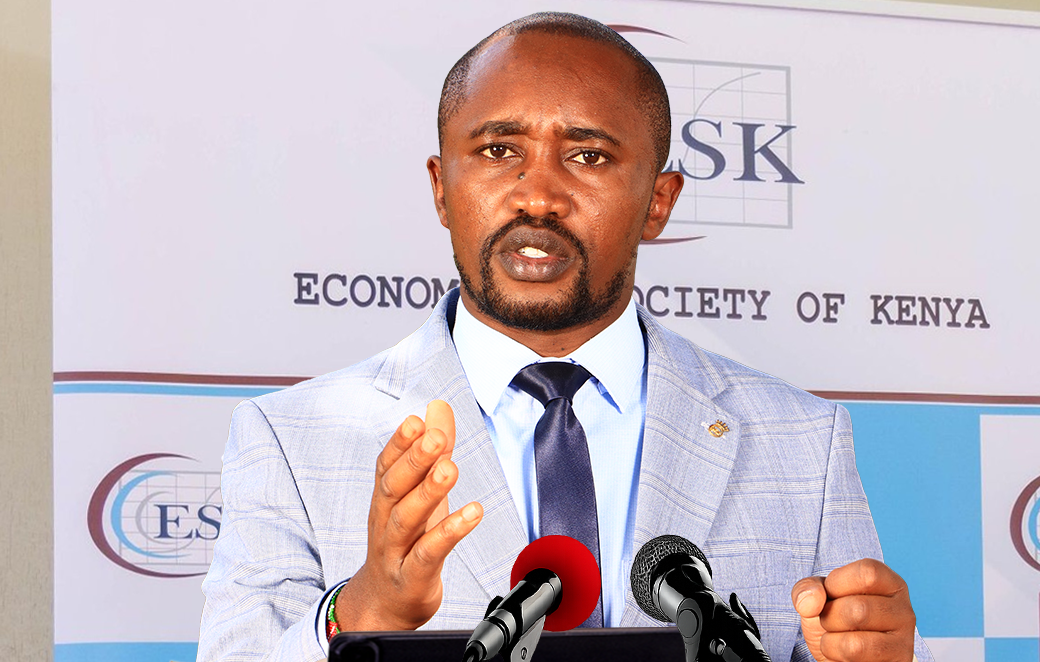
The Three P's: Where Borrowed Money Disappears
Kenya's debt crisis is compounded by three structural leakages that erode the value of every borrowed shilling:
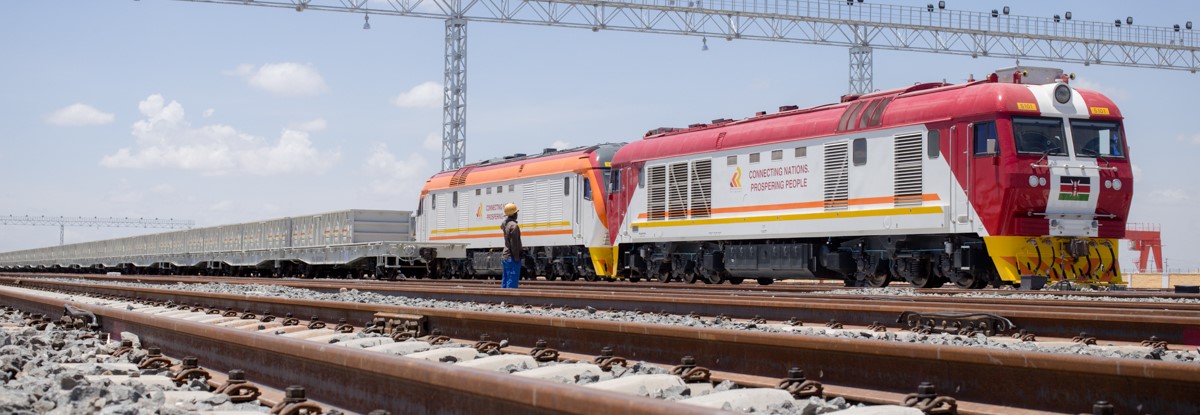
1. Political and Project Overruns: The SGR Case Study
- The Standard Gauge Railway stands as Kenya's most expensive infrastructure project and a cautionary tale of inflated costs. The initial budget for the Mombasa-Nairobi phase was $3.8 billion (KSh 380 billion) for 472 km, yielding a per-kilometer cost of approximately $8 million. However, the global average cost for similar projects ranges from $2 million to $5 million per kilometer, suggesting the SGR was over-budgeted by up to $6 million per kilometer.
- Kenya borrowed approximately $3.2 billion for the Mombasa-Nairobi phase at a 6% interest rate. In 2013, the World Bank warned that building the SGR would cost 18 times as much as simply rehabilitating damaged sections of the old meter-gauge railway. The railway now terminates in Suswa, leaving cargo to be offloaded onto trucks or the old British-built railway—the very system the SGR was meant to replace. Beyond the SGR, between 2007 and 2017, at least 26 infrastructure projects supervised by the Kenya National Highways Authority and Kenya Urban Roads Authority experienced cost overruns exceeding KSh 20 billion. These overruns culminated in pending bills estimated at KSh 145 billion for road projects alone, representing a quarter of total government pending bills.
- Examples include:
- • The Mwatate-Taveta Road, initially budgeted at KSh 9.55 billion, ultimately cost KSh 10.5 billion
- • The 40km Kakamega-Webuye Road saw taxpayers pay an additional KSh 783 million beyond its KSh 5.65 billion budget
- • Kura's Outer Ring Road budget swelled from KSh 9.89 billion to KSh 13.53 billion—an overrun of KSh 3.64 billion
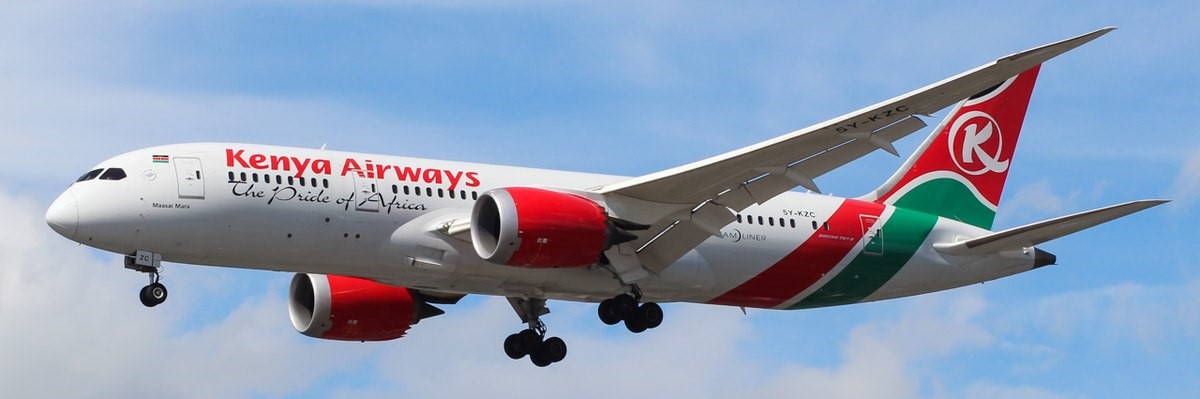
2. Parastatal Debt: The Kenya Airways Albatross
- Kenya Airways exemplifies how State-Owned Enterprises function as permanent fiscal drains. Between 2019 and 2023, the Treasury disbursed KSh 41.3 billion in loans to Kenya Airways, followed by an additional KSh 10 billion in FY 2022/23, and KSh 12.3 billion to settle defaulted debt, totalling over KSh 55 billion without a formal loan recovery plan. Taxpayers spent KSh 17.4 billion in nine months to March 2024 servicing a $641.49 million loan Kenya Airways took in 2017. The Treasury's guarantee covered $525 million, which was later converted to external commercial public debt now being serviced by taxpayers.
- The airline narrowed losses to KSh 22.6 billion in 2023 from KSh 38.2 billion the previous year, but by June 2023, Kenya Airways had total outstanding liabilities of KSh 302 billion, with KSh 177 billion in long-term liabilities and KSh 125 billion in short-term liabilities. The pattern extends across multiple bailouts: The government committed to taking over KSh 93.5 billion in debt and providing KSh 53.4 billion in both FY 2021/22 and FY 2022/23—representing the largest corporate bailout in Kenya's history. Each bailout diverts resources from education, healthcare, and infrastructure while perpetuating operational inefficiency.
3. The Procurement "Integrity Premium”
- Tax evasion and corruption function as invisible taxes on borrowed funds. The Kenya Revenue Authority identified 1,309 firms and wealthy individuals owing KSh 259 billion in unpaid taxes. In the year ended June 2024, KRA roped in 461 high net-worth individuals (HNWIs) with gross annual incomes over KSh 350 million—a 171% jump from 170 individuals the previous year. Kenya has an estimated 16 centi-dollar millionaires, yet tax compliance among this group remains systematically weak. Wealthy individuals hide income sources while engaging in luxury spending and accumulating property including homes and high-end cars.
- When a road project costs 40% more than it should due to kickbacks and inflated contracts, Kenya effectively borrows 40% more than necessary to achieve the same outcome. These structural leakages don't just waste money—they actively undermine the growth potential that borrowed funds are supposed to create.
A Roadmap to Fiscal Sovereignty: The Three-Pillar Strategy
What follows is not a theoretical exercise. It is a practical roadmap designed to achieve what decades of IMF programs have failed to deliver: genuine fiscal sovereignty built on domestic reform rather than endless borrowing cycles.
Pillar One: Intelligent Fiscal Surgery on the Revenue Side
The Technology-Enabled Wealth Audit
Kenya's tax problem is not a rates problem—it is a compliance and fairness problem. The KRA enforcement unit uses databases including bank statements, import records, motor vehicle registration details, Kenya Power records, water bills, and Kenya Civil Aviation Authority data to pursue tax cheats. However, these efforts remain fragmented and under- resourced. A comprehensive Technology-Enabled Wealth Audit targeting high-net-worth individuals and cash-rich informal sectors could generate higher revenues annually without raising a single tax rate. Deploy Al-powered systems to cross- reference property ownership, vehicle registrations, luxury expenditure, and declared income. Car registration details help identify individuals driving high-end vehicles with little tax remittance, while Kenya Power meter registrations identify landlords who have been slapped with huge tax demands. The revenue is there; the political will to collect it is not. When wealthy individuals accumulate property and high-end cars while hiding income sources, and when firms file fictitious VAT invoices and fake invoices to inflate input purchases, the middle class bears disproportionate tax burdens.
Tax Expenditure Rationalization
Every tax exemption, holiday, and relief must justify its existence through demonstrable job creation or net positive economic impact. Conduct a comprehensive five-year review of all tax expenditures, eliminating those that function as corporate welfare without delivering measurable public benefit. The government must move beyond consumption taxes that disproportionately burden the poor. Focus enforcement where it matters: the super-rich who use sophisticated offshore structures, and sectors notorious for under-declaration.
The Sovereign Wealth Fund for Public Assets
Transfer all valuable state-owned lands and commercial properties into a transparent, professionally managed Sovereign Wealth Fund. Generate revenue through long-term leases and joint ventures, with proceeds specifically ring-fenced for external debt servicing. This separates debt repayment from current tax revenue, liberating funds for development spending while protecting strategic assets from distressed sales. The SWF model ensures professional management, transparency, and prevents the ad- hoc disposal of public assets that has characterized previous administrations.
Pillar Two: The Kenya Debt-for-Productivity Swap
Zero-Based Budgeting Mandate
Implement a comprehensive two-year Zero-Based Budgeting review cycle for all government ministries. Eliminate recurrent spending on wasteful travel, bloated allowances, and ceremonial expenditures that fund zero productive outcomes. Current budgeting practices perpetuate inefficiency by assuming previous spending levels are justified. ZBB forces every ministry to justify every shilling from scratch, revealing redundancies and waste that incremental budgeting obscures.
The Productivity Dividend Principle
Establish a legal requirement that all future commercial borrowing must meet a minimum Internal Rate of Return of 15% and be tied to a clear foreign exchange generation plan. No more borrowing for consumption; every shilling borrowed must demonstrably expand Kenya's productive capacity or export earnings. The SGR's failure illustrates this principle: Kenya might as well have simply refurbished the old meter-gauge railway, which would have provided similar benefits at dramatically lower cost. Projects failing to meet the 15% IRR threshold should be funded through concessional financing or postponed until they can demonstrate viability.
Parastatal Reform and Strategic Divestment
Fast-track the sale, concession, or closure of non-strategic, loss-making State-Owned Enterprises. The government has no business running hotels, sugar factories, or struggling airlines. Kenya Airways alone has consumed over KSh 55 billion in bailouts without a clear recovery plan—funds that could have built hundreds of schools or health facilities. Each parastatal bailout is a diversion of resources from education, healthcare, and infrastructure. This is not privatization ideology—it is fiscal necessity. SOEs that cannot demonstrate path to profitability within 24 months should be divested, with proceeds used to retire expensive commercial debt.
Pillar Three: Non-Conventional Debt Management
Local Currency Domestic Debt Conversion
Create powerful incentives—including tax-free status—to encourage investors to shift from short-term to long-term domestic debt instruments. Domestic debt increased by 16.6% between May 2024 and May 2025, indicating heavy reliance on local borrowing. However, much of this remains short-term, creating constant refinancing pressure. Longer maturity profiles reduce refinancing risk and provide the Central Bank with greater monetary policy flexibility. A ten-year government bond should be more attractive than a succession of one-year Treasury bills. Introduce inflation- indexed bonds to attract pension funds and long-term investors seeking real return protection.
The Climate and Blue Economy Bond
Issue a dedicated sovereign bond specifically earmarked for Climate Change Mitigation and Adaptation projects: large-scale water harvesting, expanded geothermal capacity, coastal protection, and sustainable fisheries development. This accesses the vast, underutilized global ESG and Green Finance markets at potentially concessional rates, reducing dependence on traditional IMF and commercial lenders. Kenya possesses significant renewable energy potential, extensive coastline, and critical ecosystems that global green investors want to protect. A well-structured climate bond could attract capital at 3-4% instead of 6-8% commercial rates, while addressing Kenya's most pressing environmental vulnerabilities. This isn't creative accounting—it's strategic financing that aligns Kenya's development needs with global capital seeking impact investments. The appetite exists; Kenya needs the institutional capacity to structure and execute these instruments.
From Mirage to Mandate: The Path Forward
Kenya does not have a revenue problem in the aggregate. The government targeted revenue collection of KSh 3.4 trillion in FY 2025/26—sufficient for national needs if efficiently deployed. The issue is that the debt service-to-revenue ratio stood at 67.1% as of May 2025, consuming resources before funding a single development priority. Kenya does not have a spending problem in the aggregate-we have a waste, leakage, and misallocation problem. When 26 infrastructure projects overshoot budgets by more than KSh 20 billion, when the SGR costs KSh 1 billion monthly to operate while generating insufficient revenue, when Kenya Airways receives KSh 55 billion without a recovery plan, the problem isn't insufficient revenue—it's catastrophic mismanagement.
Kenya has witnessed persistent fiscal deficits averaging 7.1% of GDP over the last 10 fiscal years. Yet despite setbacks, fiscal deficits have decreased demonstrating that improvement is possible with disciplined fiscal management. Fiscal sovereignty cannot be achieved through endless cycles of borrowing and austerity. It requires painful domestic reforms that prioritize long-term productive capacity over short-term political convenience. It demands we stop pretending that the next loan, the next IMF program, the next Eurobond will finally be the one that changes everything.The roadmap presented here represents an alternative social contract: economic growth funded by efficiency and private sector empowerment, not debt. It is a mandate for a Kenya that controls its own fiscal destiny rather than outsourcing it to multilateral institutions and commercial lenders.
The Choice Before Us
- Kenya's debt rose from 42.2% of GDP in 2013 to 72% in 2023 before declining to 65.7% in 2024 due to shilling strengthening. This demonstrates that progress is possible—but currency appreciation is temporary relief, not structural reform. The Treasury projects debt servicing as a percentage of revenue will decrease from 68% to 59.8% by 2027—but these projections assume economic growth, revenue expansion, and fiscal discipline that recent history suggests are optimistic.
- The question is not whether this roadmap is politically difficult—of course it is. Challenging the powerful interests that profit from tax evasion, confronting the patronage networks that sustain loss-making parastatals, and demanding accountability for project cost overruns will generate fierce resistance. The question is whether we have the courage to pursue genuine sovereignty, or whether we will continue chasing the mirage until there is nothing left to borrow against. Every year we delay these reforms, the debt burden grows heavier, the fiscal space shrinks further, and the options become more limited. The next generation of Kenyans will not forgive us for choosing political convenience over their economic future.
- 𝐓𝐡𝐞 𝐜𝐡𝐨𝐢𝐜𝐞, 𝐚𝐬 𝐚𝐥𝐰𝐚𝐲𝐬, 𝐛𝐞𝐥𝐨𝐧𝐠𝐬 𝐭𝐨 𝐊𝐞𝐧𝐲𝐚.
Editorial Note
This analysis represents expert commentary on economic policy and political developments. All information has been fact-checked and cross-verified from reliable sources. The views expressed are based on professional analysis and independent research.